


The Structure of Dress Form
Many new types of dress forms come up in the viewpoint of a firm that works on dress form over 30 years of experience. However, the traditional method is still irreplaceable as a professional dress form for long-term tool using . This time, we will focus on the most common professional dress form. There are four main sections of the structure to make a professional dress form. Let us explore what is inside the dress form.
Mold Creation
Before making the dress form, exact measurement and natural shape built prototype are the keys to creating two side fiber molds. The prototype can be built by either traditional handmade or modern digital version from 3D software. After the prototype, the dress form should make precisely the same as the prototype with functions for fitting purposes.

Internal Treatment
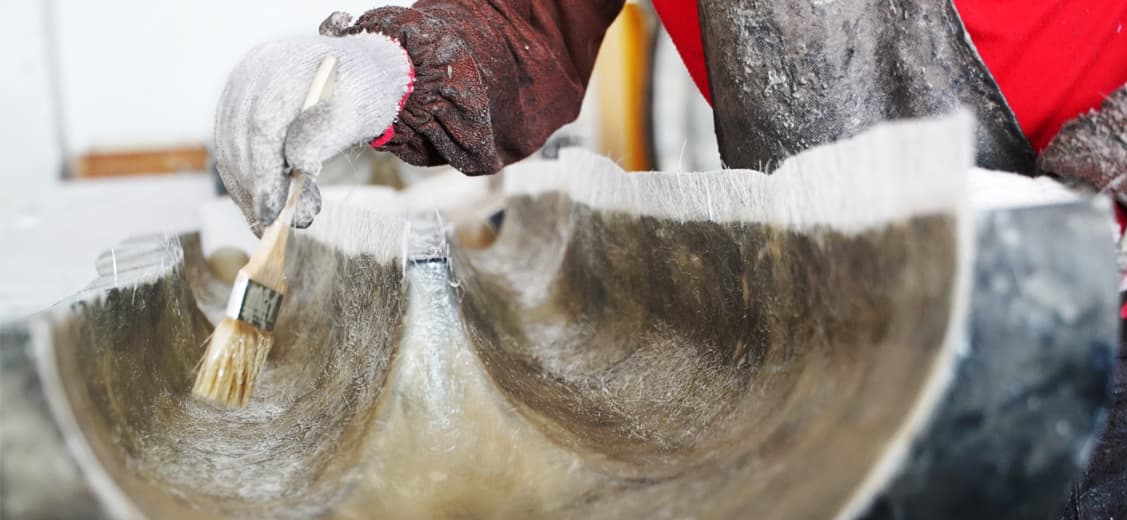
To create the fiberglass base as the first step, putting entirely thick fiberglass, filling up in both side molds and using resin to stick both sides for few hours until dry are the emphasis to prevent deforming in the very beginning. Then, dismantling both molds to polish surplus fiberglass in each edge until the whole body smooth to remain the exact measurements and further treatment.
Accessories
Most of the functions of dress form handle on its accessories. In order to assemble and install accessories on the fiberglass base, the board for fixing position and slingshot for arm/hip joint collapsible movement need to place inside the fiberglass base. The Load-bearing steel bar from the dress form top to around waist which is for hanging purpose also need to place before surface treatment. Those are necessary and much more user-friendly during the fitting.

Surface Treatment
The surface of the dress form has to be as close as possible to make the shape tight. The first layer is needle wool, which uses glue to stick on the fiberglass, then wraps needle wool around the whole body to make the dress form pinnable. The second layer is linen after cloth cropping, sewing, and wrapping process that make the surface smooth and more durable during the garment wearing. Lastly, putting measurement line and surface joint accessories to complete the dress form.
